
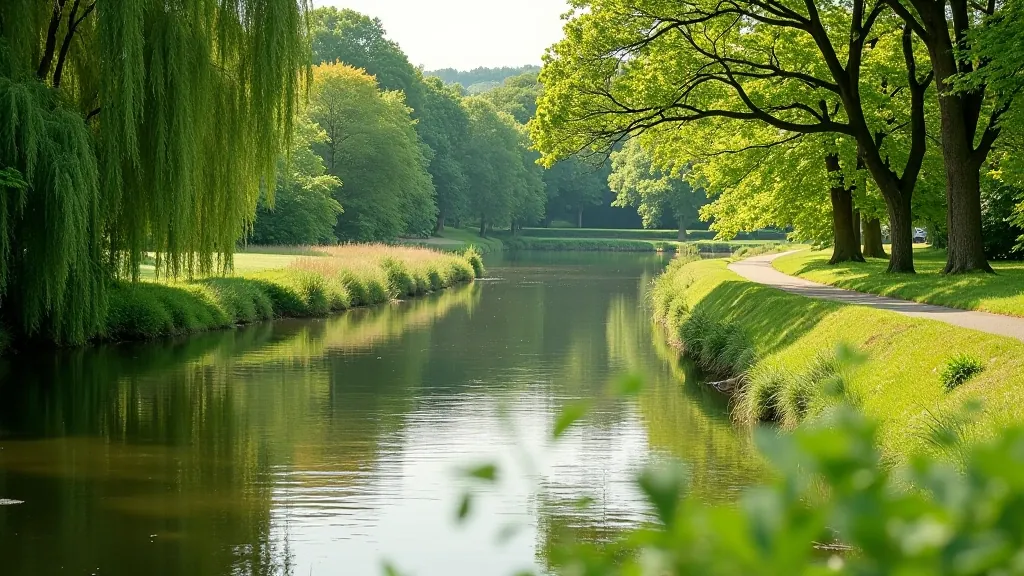
River Lee Riverside Walks: A Peaceful Journey
Following the water's edge from the city center outward. Flat terrain, plenty of places to stop and watch the water. A completely different experience from the park walks.
Three gentle loops ranging from thirty to fifty minutes. Covers the easiest paths, where to rest, and what you'll see along the way.
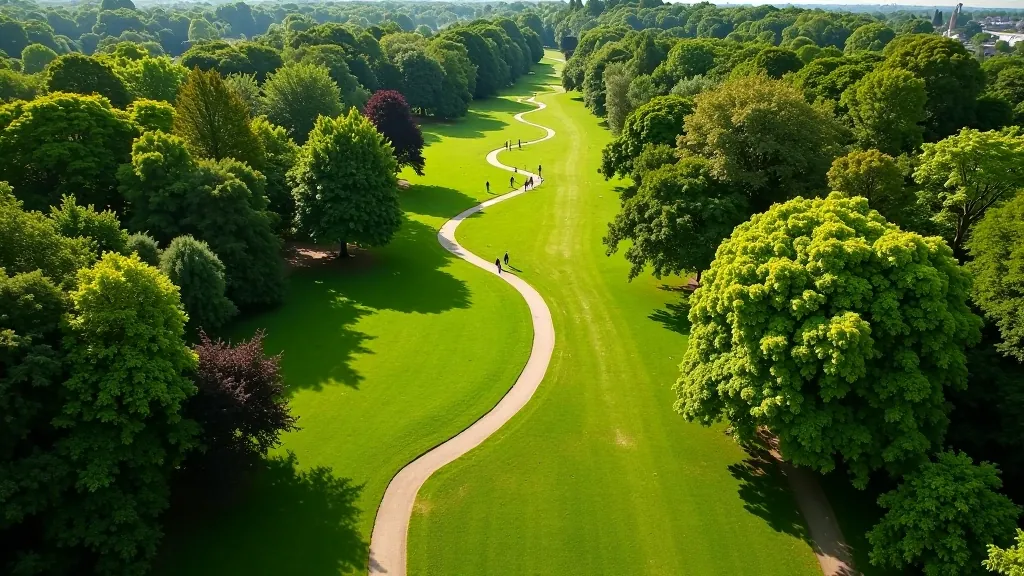
Fitzgerald Park is one of Cork's most accessible green spaces. It's been around since the 1880s, and it shows — mature trees, well-maintained paths, and plenty of spots to sit and breathe. We're not talking about climbing hills or navigating rocky terrain. These routes are designed for people who want a proper walk without the struggle.
The park has something for everyone. You can do a quick fifteen-minute loop near the entrance, or stretch yourself with a longer route that takes you through the quieter sections. Best part? You can start and finish at the same spot, so there's no pressure to complete the full circuit if you're not feeling it that day.
There's a reason locals keep coming back. The park layout lets you pick your own adventure. Start near the main entrance where there's ample parking, and you've got three solid options.
Thirty minutes. This route sticks to the shaded paths under the old oak and beech trees. You'll pass the pond where you might spot ducks, and there's a bench every hundred meters or so. Mostly flat, well-surfaced. Perfect for your first visit.
Forty minutes. This one takes you through the more open sections where you'll get actual sunshine. You're walking on grass and gravel paths — still easy on the joints. There's a shelter halfway round if the weather turns.
Fifty minutes. Combines both routes into one longer walk. You'll see all the different parts of the park — woodland, meadows, the river viewpoint. It's not difficult, just longer. Do this when you've got the energy and the time.


You won't feel abandoned out there. The park has about twenty benches strategically placed, so you're never more than five or six minutes from a place to sit. Most have views — either of the trees, the meadows, or the river.
There's a café near the main entrance with proper seating inside. It's useful if you want to warm up after your walk or grab a tea before you start. The toilets are clean and accessible — important detail that's often overlooked. They're located near the visitor center, which is also where you'll find the information boards showing the different routes.
Gentle doesn't mean boring. The paths vary enough to keep you interested without asking too much of your body. Most surfaces are either tarmac or well-compacted gravel — you're not scrambling over tree roots or loose stones.
The elevation changes are minimal. There's a slight rise near the visitor center, but nothing that'll leave you breathless. The woodland paths have some roots showing, but they're worn smooth from years of foot traffic. Honestly, they're less treacherous than typical city pavements. The meadow sections are the flattest — completely level walking for about fifteen minutes straight if you choose that route.
Water's a consideration. After rain, some areas get muddy, especially the lower parts near the river. That's why proper footwear matters. We'll cover that in more detail, but think waterproof trainers or walking boots rather than casual shoes.

Timing makes a difference. Spring is when everything's blooming — March through May you'll see bluebells and daffodils. It's beautiful, though the paths can be wet from melting snow and rain.
Summer (June through August) is popular but also warmer. The tree cover helps, but you'll want to start early if the temperature's climbing. The paths are driest then, and the park is genuinely busy — which some people like for the social aspect, others find it crowded.
Autumn is underrated. September and October have the best light, and the trees turn proper colors. It's cooler, so you're not overheating. Winter walks are possible, but the paths do get slippery. If you're doing winter walks, extra caution with footwear and maybe pick the more open meadow sections where ice is less likely.
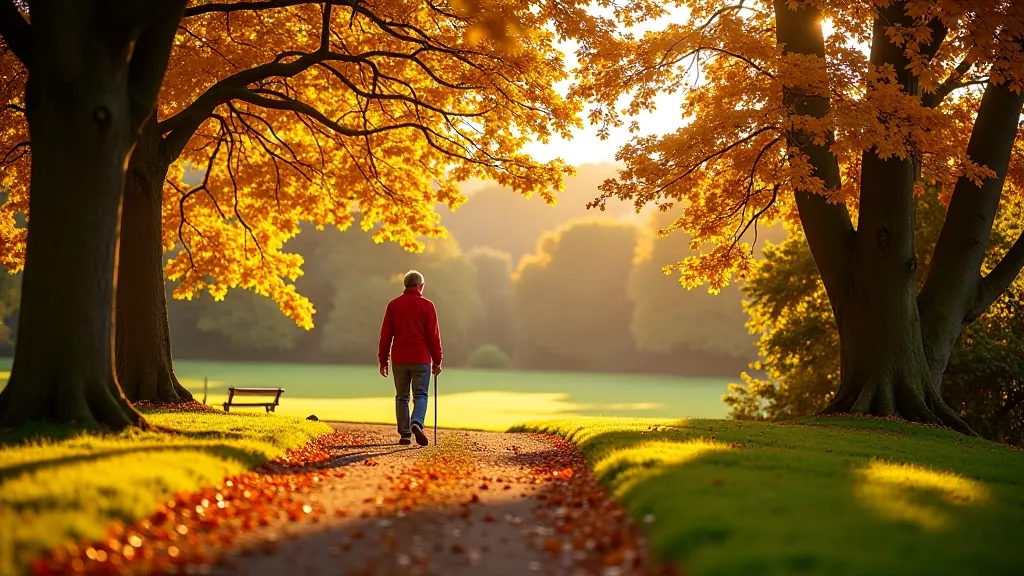

There's no rush. That's the whole point. A comfortable pace for the woodland loop is about thirty to thirty-five minutes. You're not racing — you're moving at a speed where you can still chat with someone beside you or notice the birds. If you need to take it slower, take it slower. The paths aren't going anywhere.
Building in rest stops is smart. Sit for five or ten minutes whenever you feel like it. That's not admitting defeat — that's being sensible. You'll actually enjoy the walk more if you're not grinding through it. Plus, sitting still in a park is one of those underrated pleasures. The ambient sounds, the light through the leaves, the absence of traffic noise — it's restorative.
Pay attention to how your body feels. Early on in the walk, you might feel like you could keep going forever. By minute twenty or twenty-five, things shift. That's normal. It's not a sign you're doing something wrong — it's just how bodies work. Respect that signal and adjust your route or take a longer break.
Fitzgerald Park works because it doesn't demand anything of you. You can show up in whatever mood you're in and find something that suits. Some days you'll do the full circuit and feel energized. Other days you'll do the woodland loop, sit on a bench for twenty minutes watching the world, and feel equally satisfied.
Bring water. Even on cooler days, you'll want something to drink. A light snack is fine too — there's no rule against it, and you'll appreciate it halfway through. Wear layers so you can adjust as the temperature changes. And honestly, wear shoes you actually like walking in. Breaking in new trainers on a park walk is nobody's idea of fun.
The best part? You can go back anytime. Once you've learned the routes, there's a comfort in knowing exactly where you're going. Or try it in different seasons and see how it changes. That's what keeps people coming back to places like this.
This article provides general information about walking routes and facilities at Fitzgerald Park. Conditions can change based on weather, maintenance, and seasonal factors. Always check current park conditions before your visit. If you have specific health concerns or mobility limitations, consult with a healthcare professional before starting any new walking routine. The park management may make changes to paths or facilities — it's worth checking their official information when you arrive.