

Exploring Fitzgerald Park: Best Routes for a Comfortable Walk
Three gentle loops ranging from thirty to fifty minutes. Covers the easiest path through the park with minimal elevation change and plenty of seating areas.
Everything from choosing the right shoes to pacing yourself through longer routes. Real advice from people who walk these Cork paths regularly.

Walking Fitzgerald Park or along the River Lee should feel good — not like a challenge you're dreading. The difference between an enjoyable outing and one where you're uncomfortable by the halfway point often comes down to a few simple preparations.
We've talked to dozens of people who walk these paths regularly, and the same advice keeps coming up. It's not complicated stuff — proper footwear, knowing your limits, staying hydrated, understanding the terrain. But it makes a real difference when you actually do it.
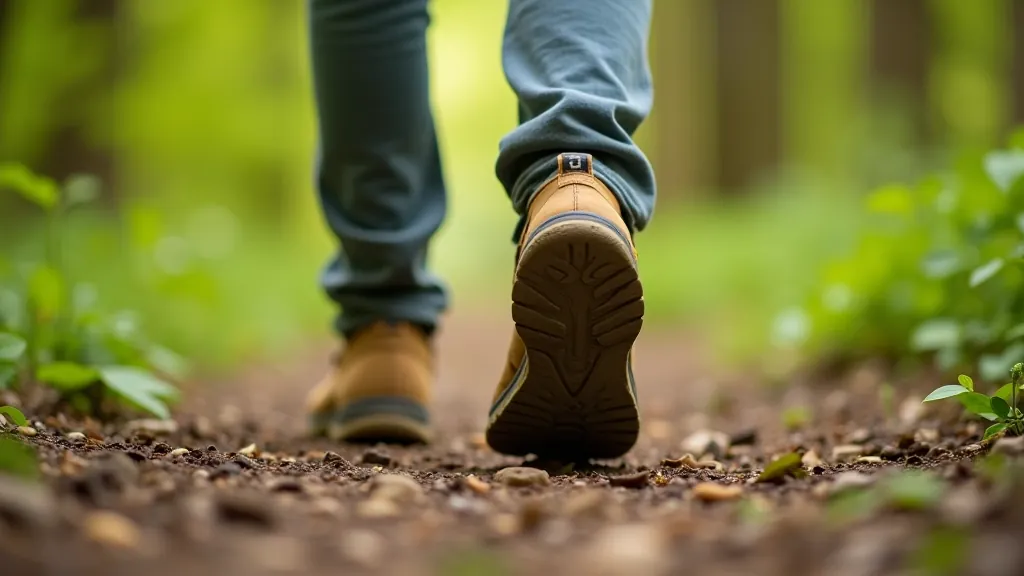
Your shoes matter more than you'd think. Worn-out trainers or casual shoes aren't really designed for sustained walking on varied terrain. After thirty minutes on park paths with uneven surfaces, your feet know the difference.
Don't assume your regular shoes will work. Take a proper walk around the block in them first — at least twenty minutes. If your feet aren't happy, they won't be happy in the park either. And if you're buying new shoes specifically for walking, wear them around the house for a few days before taking them on a proper route.
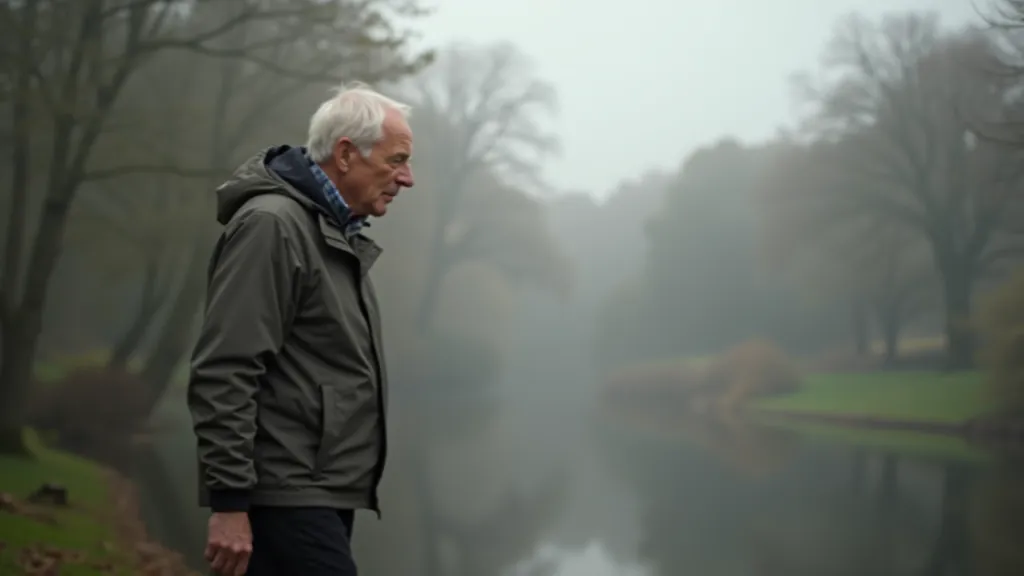
Cork's weather isn't predictable. You'll get blue skies one moment and drizzle the next. The key isn't staying completely dry — that's impossible — it's staying comfortable while being practical about what's likely.
Layers work better than one heavy coat. Start with a moisture-wicking base layer, add a fleece or wool middle layer if it's chilly, and bring a lightweight waterproof jacket you can tie around your waist if you don't need it immediately. Most people overheat when they're walking — you're not standing still.
Pro tip: Bring a small umbrella in a bag, not a big one. It's easier to manage on a walk, and you're more likely to actually use it. Plus it keeps the rain off your face while you're moving.
You don't have to be exhausted to feel the effects of mild dehydration. Thirst, slight headaches, and general fatigue creep up on you. On a walk, especially when you're focused on the path or enjoying the scenery, you might not notice until you're already uncomfortable.
Bring water. Even for a short walk. A small bottle that fits in a pocket or bag is all you need. Sip regularly — not just when you're thirsty. For walks longer than forty-five minutes, you'll want at least half a liter, more in warmer months.
Pacing yourself matters just as much. There's no prize for speed. If you're breathing hard enough that you can't hold a conversation, you're pushing too fast. The best walks are the ones where you feel good throughout and don't need a full day to recover afterward.


Fitzgerald Park has benches scattered throughout. The River Lee walk has plenty of spots to pause. These aren't there just for decoration — they're actually part of making walks enjoyable.
Sit down regularly. Not because you're exhausted, but because it's nice. You'll notice more — birds, flowers, the sound of the water. You'll also recover better for the next section. A five-minute rest halfway through a thirty-minute walk makes the second half feel easier.
This rhythm works well. You're not rushing anywhere. The walk becomes something you enjoy rather than something you're trying to finish.
This article provides general information about walking comfort and safety in Cork's parks. Everyone's fitness level and health circumstances are different. If you have concerns about your ability to walk certain routes, or if you experience pain, dizziness, or other health issues while walking, consult with your GP or healthcare provider. Park conditions change with weather and seasons — always check local conditions before heading out.
The parks in Cork are genuinely beautiful. You don't need to be in peak fitness to enjoy them. Most of the discomfort people experience comes from not preparing properly, not from the walking itself. Good shoes, appropriate clothing, regular breaks, and staying hydrated — that's honestly the foundation. You'll notice after a couple of walks how much better it feels when you've got those basics sorted.
Start with shorter routes if you're new to walking these parks. The thirty-minute loops in Fitzgerald Park are perfect for building up gradually. And remember — there's no race. The goal is to enjoy being outside, and that works best when you're comfortable doing it.

Three gentle loops ranging from thirty to fifty minutes. Covers the easiest path through the park with minimal elevation change and plenty of seating areas.
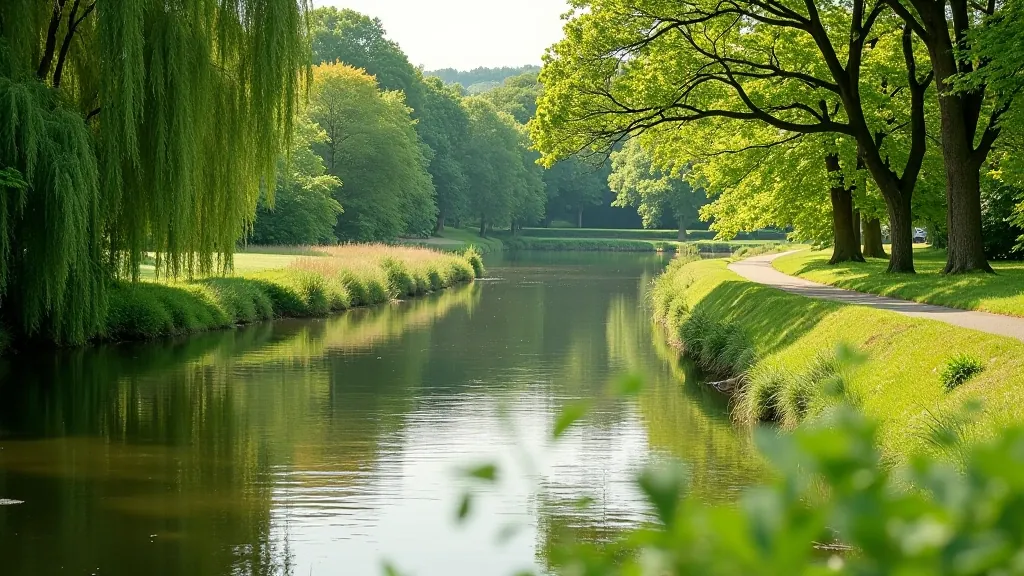
Following the water's edge from the city center outward. Flat terrain, plenty of places to rest, and the soothing sound of the river as your companion.

Spring wildflowers, summer bird activity, autumn colors, and winter surprises. Know what to look for throughout the year on Cork's walking paths.