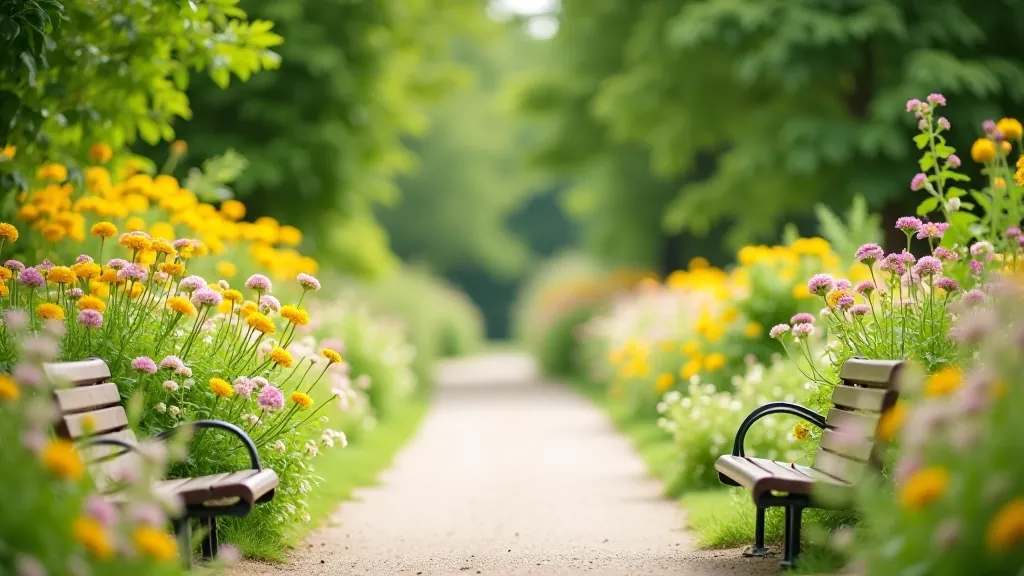

Exploring Fitzgerald Park: Best Routes for a Comfortable Walk
Three gentle loops ranging from thirty to fifty minutes. Covers the easiest path through Cork's most accessible park.
Read GuideFollowing the water's edge from the city center outward. Flat terrain, plenty of benches, and wildlife spotting opportunities throughout the year.
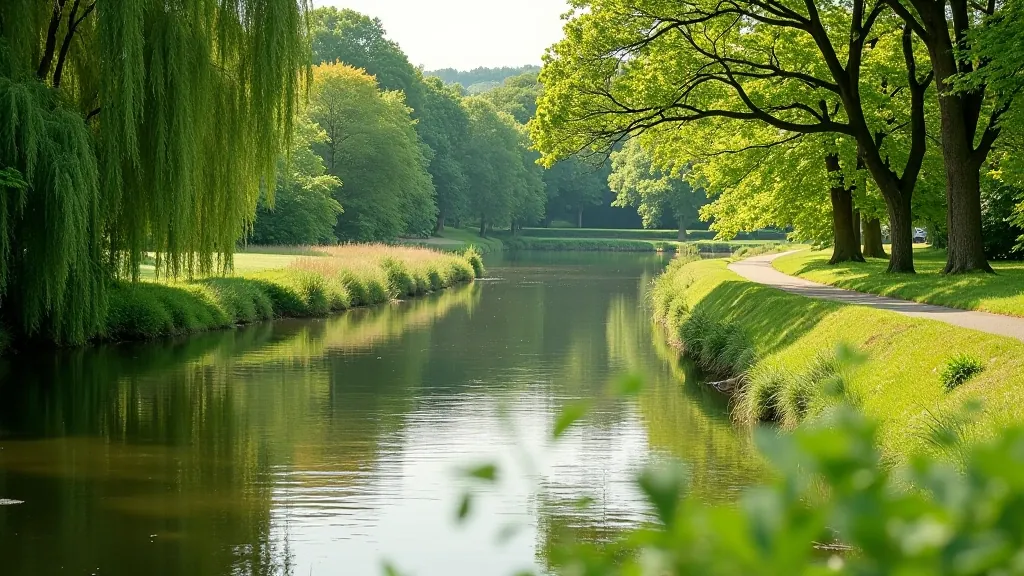
The River Lee offers something special for anyone looking for a gentle walk. It's not just a walk—it's a chance to slow down, breathe properly, and notice things you'd otherwise miss. The paths follow the water closely, so you've always got something peaceful to look at. Plus, the terrain is genuinely flat. No steep hills, no tricky terrain. Just you and the river.
We've walked these routes dozens of times, and there's something different every visit. In spring, you'll see nesting birds. Summer brings wildflowers along the banks. Autumn shows off the colors, and winter has a quiet beauty all its own. The walking paths are well-maintained, benches are placed regularly, and the air feels cleaner out here.
There are three distinct routes along the River Lee, each with its own character. The shortest is about two kilometers and takes roughly thirty minutes at a comfortable pace. The middle route stretches to four kilometers—about forty-five minutes. If you're feeling ambitious, the longest route covers six kilometers in about ninety minutes.
Don't worry about getting lost. The paths are clearly marked, and you're always following the water. If you need to turn back, you can retrace your steps anytime. Most people do a combination—maybe walk out three kilometers, find a good bench, and rest for twenty minutes before heading back.
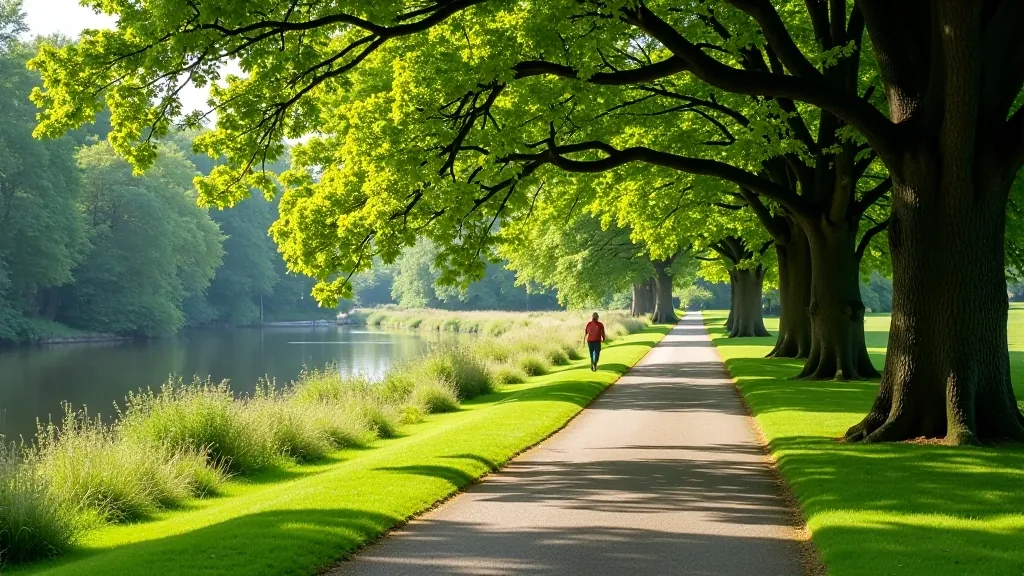
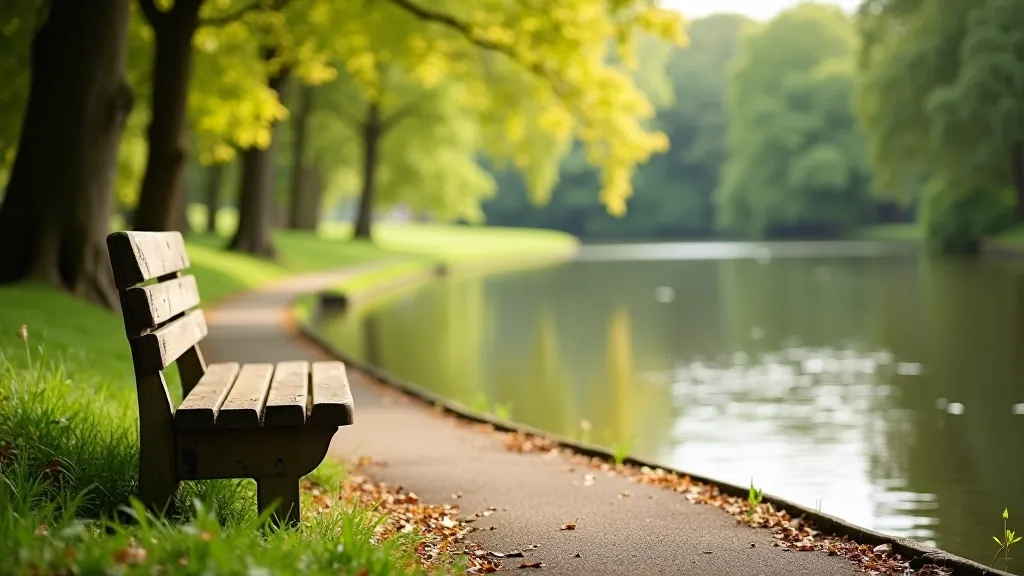
One of the best features of these walks is how frequently benches appear. You won't go more than five minutes without finding a place to sit. They're well-positioned too—most overlook the water or are shaded by trees, which matters on warmer days.
Here's what we recommend: walk at your own pace, and whenever you feel like it—whether that's after ten minutes or thirty—just sit. There's no rush. Bring a small notebook if you like birdwatching. The river attracts kingfishers, herons, ducks, and cormorants depending on the season. Some benches even have little plaques with information about the local wildlife.
Many walkers use the bench breaks as a meditation moment. The sound of the water, the rustling leaves—it's naturally calming. You'll notice your breathing slows down, and your mind quiets. That's the real benefit of these walks.
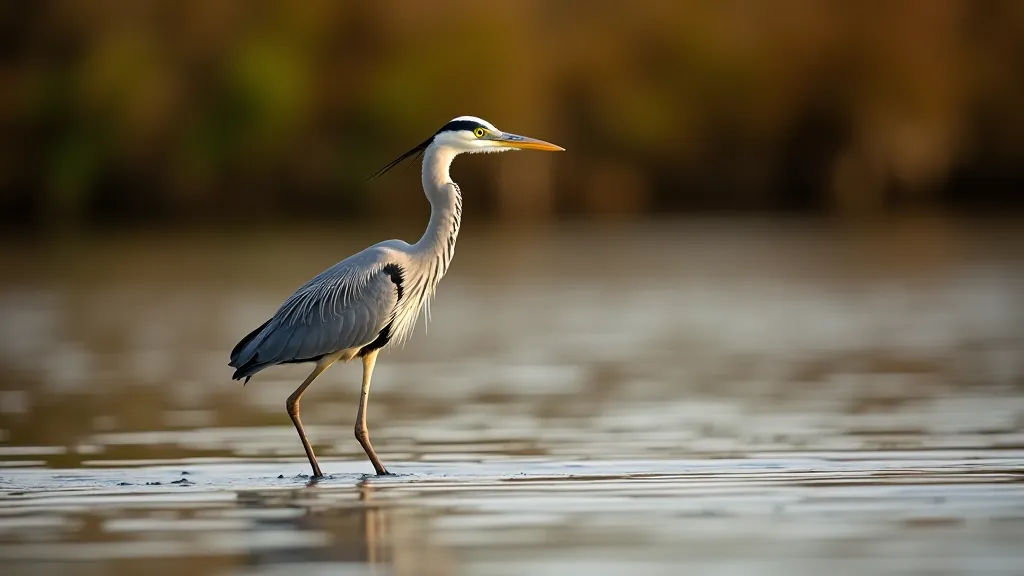
The river isn't just scenic—it's alive with activity. Year-round, you'll spot waterfowl. Mallard ducks are common, especially in groups. Grey herons are regular visitors, often standing perfectly still in the shallows. You might see a heron fishing, which is fascinating to watch. They're patient hunters—standing for minutes before striking.
Cormorants dive for fish, which is quite a show. Swans appear occasionally, particularly in winter. On quieter stretches, you'll hear songbirds—wrens, blackbirds, robins depending on the season. In spring and early summer, keep an eye out for dragonflies skimming the water surface. They're colorful and move in unpredictable patterns.
If you're really lucky, you might spot a kingfisher. They're small, brilliant blue, and move quickly. Most people miss them on their first visit, but once you know what to look for, they're easier to spot. Early morning walks, before ten o'clock, tend to have the most activity.
Comfortable walking shoes with good grip are essential. The paths aren't always completely dry, especially near the water's edge. Avoid brand-new shoes—break them in first. Many people prefer shoes with slightly thicker soles for comfort on longer walks.
Cork weather changes quickly. Bring a light jacket or rain shell even on sunny days. The wind can pick up along the river. In winter, the paths stay open, but mornings can be frosty. Don't let rain discourage you—some of the most peaceful walks happen during light rain.
Bring a bottle of water. A small bag with some fruit or a cereal bar is fine for longer routes. You'll walk more comfortably if you're not hungry or thirsty. There are some cafés near the starting points if you want something more substantial.
Early morning, before nine o'clock, is quietest. The light is beautiful, and wildlife is most active. Weekday mornings are particularly peaceful. Avoid peak times like Saturday afternoons. Spring and autumn offer the most comfortable temperatures.
There's no need to rush. Walk at a speed where you can still talk comfortably. If you're breathing hard, you're going too fast. The whole point is to enjoy the experience, not race to the end.
Don't wait until you're exhausted to sit. Take breaks regularly, especially on your first few walks. Your body will adapt, and you'll naturally walk further over time. But there's no shame in frequent breaks.
The paths are well-maintained, but near the water's edge there can be wet patches or tree roots. Keep your eyes on the ground, especially after rain. Using a walking stick provides stability and confidence.
Walking with a friend makes it more enjoyable and safer. You can chat, or walk in companionable silence. Many groups meet regularly along these paths. Joining a walking group is a great way to build the habit.
Start with the shorter routes. There's absolutely nothing wrong with the two-kilometer walk—it's genuinely pleasant. Build up gradually if you want to do longer distances. Your body will tell you what feels right.
The River Lee riverside walks aren't complicated. They're straightforward, peaceful, and genuinely accessible. Whether you walk for fifteen minutes or ninety minutes doesn't matter. What matters is getting outside, moving your body at a comfortable pace, and enjoying the natural world.
Many people who start with these walks find they become part of their routine. A regular morning walk, a weekend outing with friends, a peaceful break from daily life. The river doesn't change dramatically from visit to visit, but you will. You'll notice the seasons shifting, you'll recognize the birds, you'll have favorite benches.
Pick a day. Put on comfortable shoes. Bring water. Walk at your own pace. The river will be there, waiting for you.
This article provides general information about walking routes along the River Lee in Cork. While these paths are well-maintained and accessible, individual fitness levels vary. If you have health concerns, mobility issues, or medical conditions, consult with your healthcare provider before starting any new physical activity. Weather conditions can change rapidly, and paths may occasionally be temporarily closed. Always check local conditions before heading out, and don't hesitate to turn back if conditions aren't suitable.