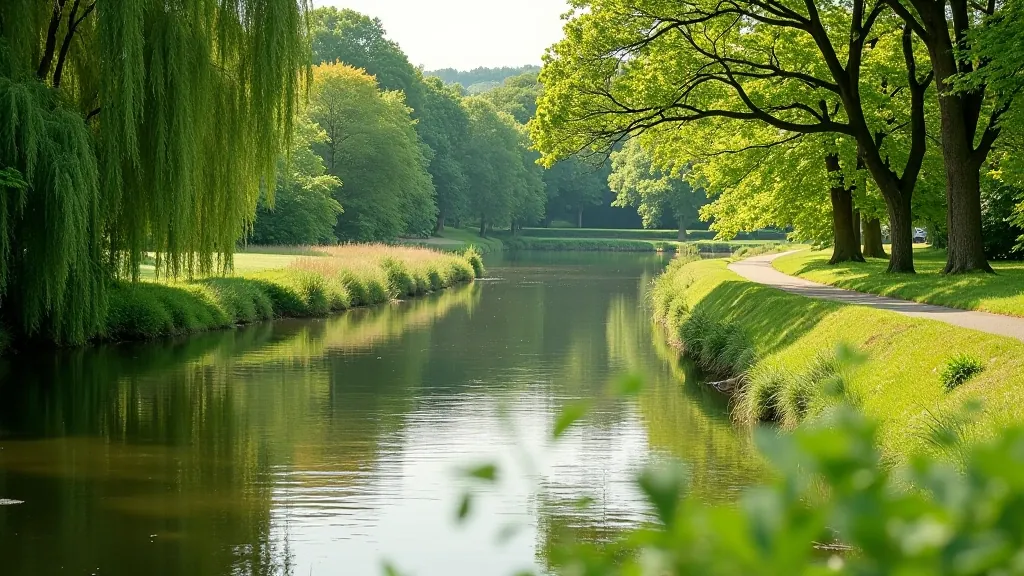
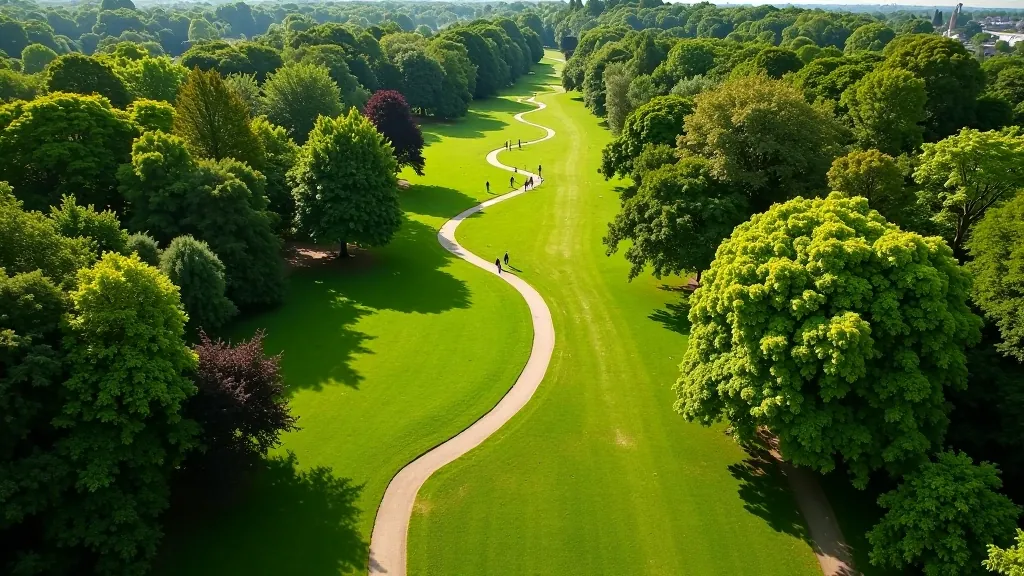
Exploring Fitzgerald Park: Best Routes for a Comfortable Walk
Three gentle loops ranging from thirty to fifty minutes. Covers the easiest path, the scenic route with rest points, and the extended exploration for those with more time.
Spring wildflowers, summer bird activity, autumn colors, and winter surprises. Knowing what's in season makes walks more rewarding and helps you appreciate the subtle changes happening around Fitzgerald Park and the River Lee.
You don't need to be a naturalist to enjoy Cork's parks. But when you know what to look for each month, your walks become richer. It's the difference between a pleasant stroll and an actual journey of discovery.
The trees, wildflowers, birds, and even insects follow predictable patterns. Once you understand these rhythms, you'll start noticing details most people walk right past. And honestly, it makes those early mornings or afternoon walks feel special.
March to May: Wildflowers burst, birds return from migration, fresh green growth everywhere.
June to August: Peak bird activity, lush greenery, butterflies, long daylight hours for exploring.
September to November: Colors shift, migratory birds pass through, fungi and berries appear.
December to February: Bare branches reveal birds more easily, frost creates patterns, fewer crowds.
If you're going to pick one season to really explore the parks, spring might be it. Everything's waking up at once, and you'll see changes week to week.
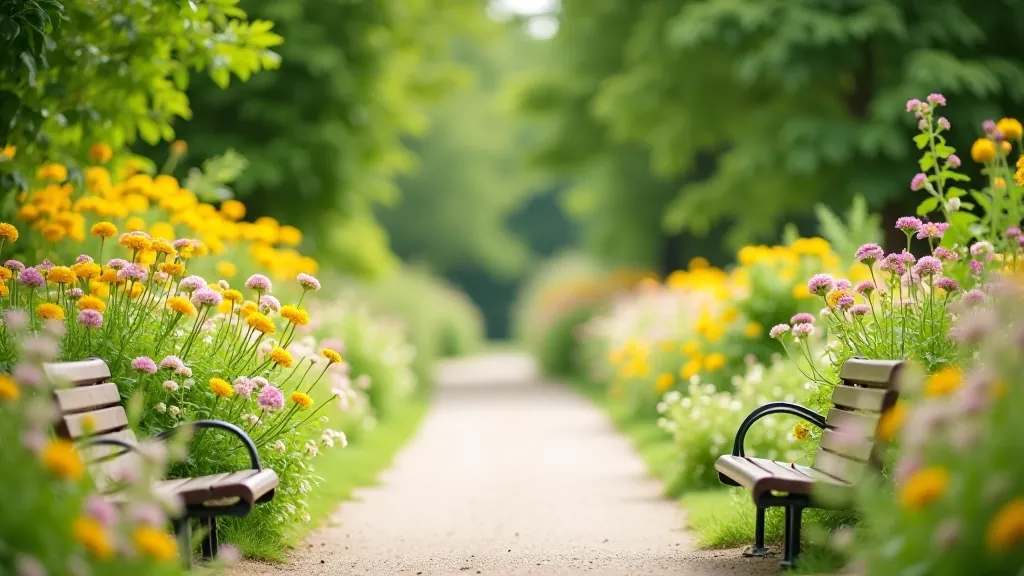
By late March, the first wildflowers appear — wood anemones and celandines are usually first. By April, you'll see bluebells creating carpets of blue under the trees, and primroses dotting the edges of paths. May brings the bigger displays: cow parsley creates white frothy borders along trails, and you might spot early orchids in damper spots.
Birds are particularly active now. The warblers have returned from Africa — you won't see them easily (they hide in dense foliage), but you'll hear their songs if you listen. Robins are everywhere, building nests and defending territory. Blackbirds and song thrushes are singing loudly, especially in early mornings. You'll also notice more activity near water — wagtails, herons, and occasionally kingfishers along the River Lee.
Pro tip: Go early in the morning between 6-8am. Birds are most active before it gets warm, and wildflowers are still wet with dew, showing their colors beautifully.
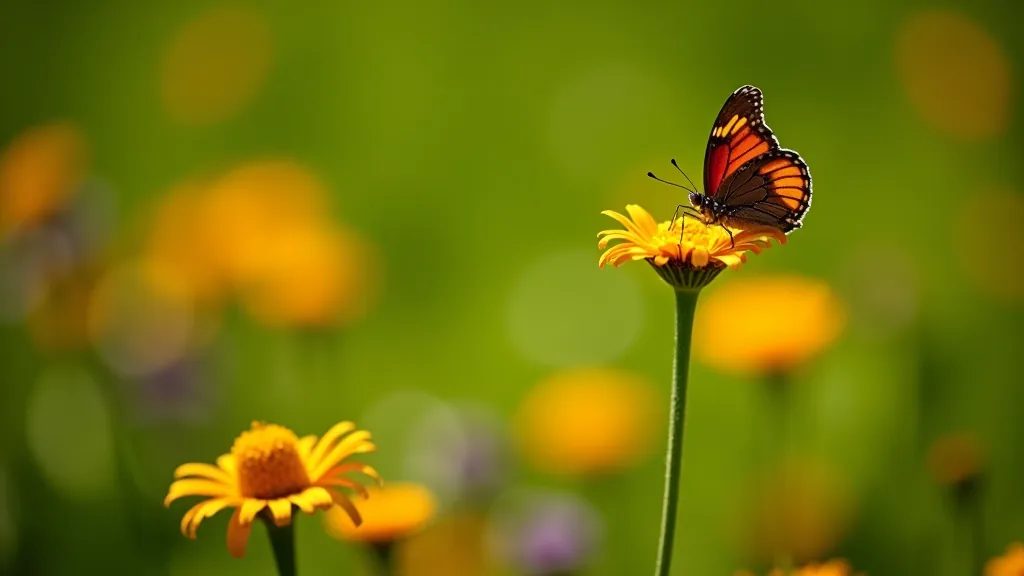
Summer brings the longest days and the most life. The parks are genuinely alive in ways they aren't at other times of year.
By June and July, the wildflower season has mostly passed, but the trees are at their fullest. You'll see foxgloves (tall spires of pink or purple flowers), teasels, and various tall grasses. Around the River Lee, water-loving plants like purple loosestrife create striking displays.
The real draw is the insects and birds. Butterflies are everywhere — meadow browns, red admirals, common blues. Bees and other pollinators are constantly moving between flowers. Bird activity is still high, though they're quieter now (singing season has largely ended). But you'll see fledglings, young birds learning to fly, family groups of tits and robins. Swallows and swifts dart overhead catching insects in flight. On warm evenings, bats emerge at dusk — you won't see details, but their silhouettes against the sky are distinctive.
Summer also means longer grass and more cover for small creatures. If you're patient and still, you might spot rabbits, hedgehogs, or even foxes, especially in quieter areas of the park.
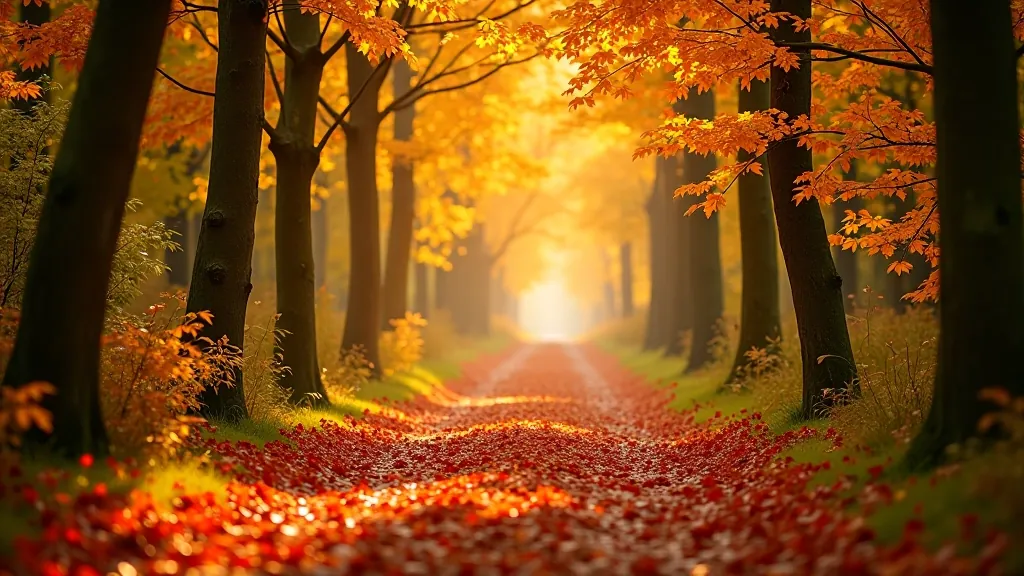
September through November is when the parks transform visually. The greens shift to golds, reds, and oranges. It's the most photographed season, and for good reason — it's genuinely beautiful.
But autumn is about more than just leaf color. Trees are actually preparing for winter, moving nutrients from leaves to roots. This process creates the colors you see. Different trees change at different times: rowans (which have red berries) go first, followed by birches (golden yellow), then the oaks and beeches (deeper reds and browns).
You'll also see mushrooms and fungi appearing, especially after rain. While you shouldn't touch them (some are poisonous), it's interesting to spot them — the variety is remarkable. Some look like tiny parasols, others like shelves growing from tree trunks.
Bird-watching is particularly good now. Summer birds are leaving, and birds from further north are arriving. You'll see warblers and thrushes that passed through in spring, now heading south. If you're lucky, you might spot a rare visitor blown off course during migration.
Did you know? Red leaves in autumn aren't a sign of dying trees — it's actually active chemistry. Trees make red pigments to protect chlorophyll as they withdraw nutrients. Cooler nights and sunny days create the brightest reds.
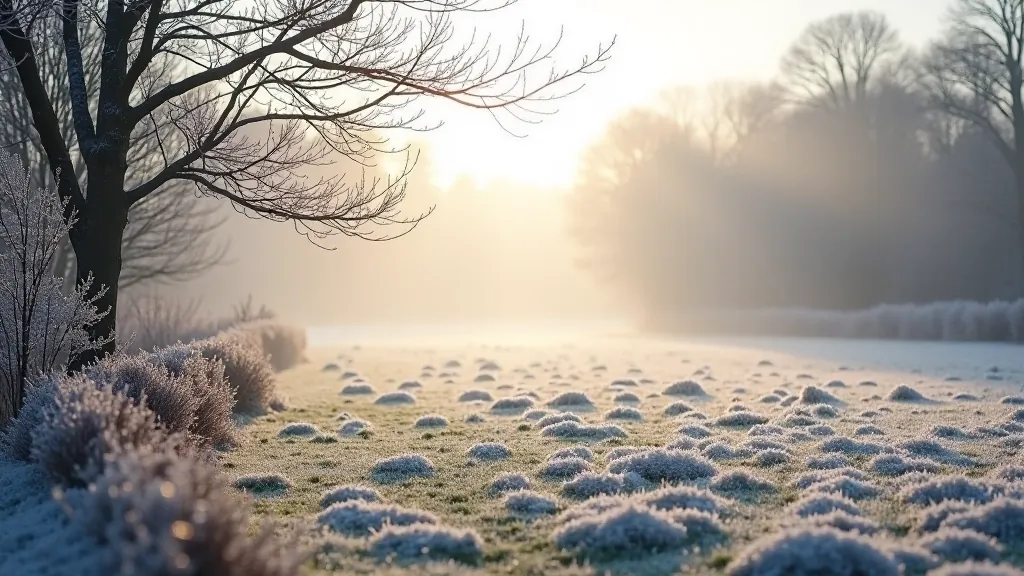
Winter might seem quiet after the activity of other seasons. But there's plenty to see if you know where to look.
Without leaves, the park structure is completely visible. You'll see bird nests in trees that were hidden all summer — it's genuinely interesting to understand how trees are organized. Bare branches also mean birds are much easier to spot. You'll see robins (always present, but now more visible), blackbirds, tits, and wrens. On frosty mornings, you might spot visiting redwings and fieldfares — winter arrivals from northern Europe.
Winter berries are important now. Hawthorn, rowan, and holly berries provide food for birds. You'll see thrushes and blackbirds eating berries, and sometimes visiting waxwings (beautiful crested birds) if there's a good berry crop. Evergreen plants — ivy, holly, and conifers — are more visible without competing foliage, and they provide shelter for small birds.
Frost creates its own beauty. Ice patterns on leaves and grass are genuinely worth stopping to look at. And on rare snow days, tracking animals becomes possible — you'll see rabbit prints, bird footprints, and sometimes fox tracks if you're walking early enough.
Fewer people visit parks in winter, which means wildlife is slightly less disturbed. You're also more comfortable stopping to observe without overheating. Bring a thermos, wear layers, and you'll have peaceful mornings that other seasons can't match.
You don't need anything fancy. A small wildflower guide for Ireland or a pocket bird guide helps you identify what you're seeing. Makes walks feel more connected to place.
Writing down what you see each month builds awareness. "First bluebells seen March 28th" becomes a personal record of seasonal change. It's surprisingly rewarding.
You'll see more in 30 minutes of slow walking with pauses than in 60 minutes of steady pace. Wildlife notices movement. Stopping lets you observe behavior.
Listen for bird calls. Smell flowers or the earth after rain. Feel the texture of tree bark. Your other senses reveal details your eyes might miss.
Regular walks mean you'll notice changes. The person who walks twice a week sees transitions others miss completely. Consistency reveals patterns.
Look but don't touch nests or disturb animals. Stay on paths. Your presence affects wildlife — be gentle observers, not intruders.
This article provides general educational information about seasonal wildlife and plants found in Cork parks. Observations can vary depending on weather conditions, year, and specific location. While we've done our best to provide accurate information, wildlife behavior and plant timing are influenced by many factors. This content is intended for informational and educational purposes only. Always respect wildlife, stay on designated paths, and follow local park guidelines. If you need specific information about protected species or conservation concerns, please contact local environmental authorities or Cork City Council.
The seasons in Cork's parks aren't just about pretty views. They're a rhythm that's been happening for centuries. Understanding what's happening at different times of year deepens your connection to these spaces.
You don't need expensive equipment or specialized knowledge. A willingness to look carefully, paired with knowing what to expect, is honestly enough. Start noticing changes. Keep mental notes (or written ones). Watch the same park through all four seasons and you'll realize you're seeing something most people walk right past.
The parks will reward your attention. They always do.